Table of contents
Modern technology is reshaping the way emergency response systems operate, bringing innovation and efficiency to situations where every second matters. From rapid communication tools to advanced data analytics, technological advancements are empowering emergency services to save lives and minimize damage. Explore how these cutting-edge developments are setting new standards in public safety and discover the transformative impact they are having on communities worldwide.
Real-time communication advancements
Modern emergency response technology is rapidly transforming how agencies manage disaster scenarios. With the integration of advanced communication tools like instant messaging, video calls, and real-time updates, emergency management teams now enjoy seamless coordination even in highly dynamic crisis situations. This uninterrupted, immediate information sharing is vital for minimizing response time, as every second can influence outcomes during emergencies. For instance, live video feeds from the scene allow field personnel to relay critical details directly to control centers, enabling decision-makers to assess evolving threats and allocate resources more efficiently. Interoperability further enhances this process by allowing various platforms and devices used by different teams—including police, fire, and medical units—to communicate without barriers. These developments mean that no matter where the teams are located, information flows smoothly, keeping everyone on the same page during disaster management operations.
The chief technology officer of an emergency management agency plays a pivotal role in selecting and implementing these advanced solutions, ensuring that all teams benefit from robust and secure communication infrastructure. The significance of real-time updates through modern communication tools cannot be overstated, as they directly contribute to faster, better-informed decisions and reduced response time. Case studies from recent disaster events show how the adoption of interoperable systems helped bridge critical gaps between field operatives and command centers. This approach is similar to how platforms like non Gamstop casinos, accessible through https://oncallfire.uk/, utilize cutting-edge technology to maintain uninterrupted service and connectivity across multiple user groups, highlighting the importance of real-time communication in high-stakes environments.
Data analytics for smarter decisions
Data analytics and predictive modeling have radically transformed emergency preparedness and crisis response by enabling agencies to analyze massive datasets with unprecedented speed and precision. By leveraging advanced predictive modeling, the head of data science at any emergency response agency can sift through both historical and real-time data to anticipate when and where incidents are most likely to occur. This integration of data streams allows for the identification of emerging patterns and hotspots, ensuring that resource allocation is optimized and responders are dispatched with maximum efficiency. Through continuous monitoring and analysis, potential risks can be flagged before they escalate, allowing for faster deployment and targeted interventions.
With predictive analytics at the core, emergency teams gain the capability to make smarter decisions under pressure. Real-time data feeds, such as weather updates, traffic flows, and social media signals, are merged with historical records to model likely outcomes and improve overall emergency preparedness. The agency's head of data science oversees the development and application of these tools, ensuring that every insight gleaned from data analytics translates into actionable strategies. As a result, decision-makers can plan proactively, minimize response times, and achieve better outcomes for affected communities during disasters or crises.
Location tracking and geospatial tools
Geospatial technology and GPS systems have fundamentally transformed the operational capabilities of emergency services by delivering unprecedented levels of situational awareness. Through the integration of advanced location tracking and emergency mapping solutions, response teams gain access to real-time geospatial intelligence that allows for precise and timely deployment of personnel and assets. This immediate visibility into the evolving landscape of an incident, especially within complex or hazardous environments, supports the director of operations in making informed decisions that optimize resource allocation and route selection. The result is a substantial reduction in response times, improved navigation through obstacles or disrupted infrastructure, and the capacity to adapt rapidly as situations unfold.
Geospatial intelligence not only enhances the safety of both responders and affected individuals, but also streamlines communication and coordination across multiple agencies. By leveraging GPS systems and robust emergency mapping platforms, teams can pinpoint the location of incidents, track moving assets, and highlight critical zones such as evacuation routes or danger areas. This level of technological integration ensures that every step, from dispatch to on-scene operations, is executed with precision and clarity. As a result, public safety agencies are better equipped to mitigate risks, deliver aid more efficiently, and minimize the impact of emergencies on communities.
Automated alert and warning systems
Alert systems have undergone significant transformation, evolving from manual sirens and community notice boards to highly sophisticated, automated platforms. These systems now deliver automated warnings and emergency notifications through a process known as multi-channel dissemination, leveraging text messages, social media, mobile applications, public address systems, and even IoT devices. This evolution permits the head of public information for emergency services to ensure that public safety alerts reach targeted populations rapidly and accurately, bypassing traditional delays and human error often associated with older methods. The ability to reach specific groups based on location, vulnerability, or language requirements enhances not only speed and reach but also the precision of communication during critical incidents.
The integration of machine learning into alert systems marks a groundbreaking step forward. By analyzing real-time data from weather sensors, surveillance networks, and community reports, these systems can predict emerging threats and proactively issue emergency notifications before situations escalate. Automated warnings tailor their content and timing to maximize relevance and impact, further reducing confusion and response times. This level of technological advancement empowers emergency services to optimize resource allocation and response strategies, ultimately raising the standard of public safety alerts in modern society.
Integration of drones and robotics
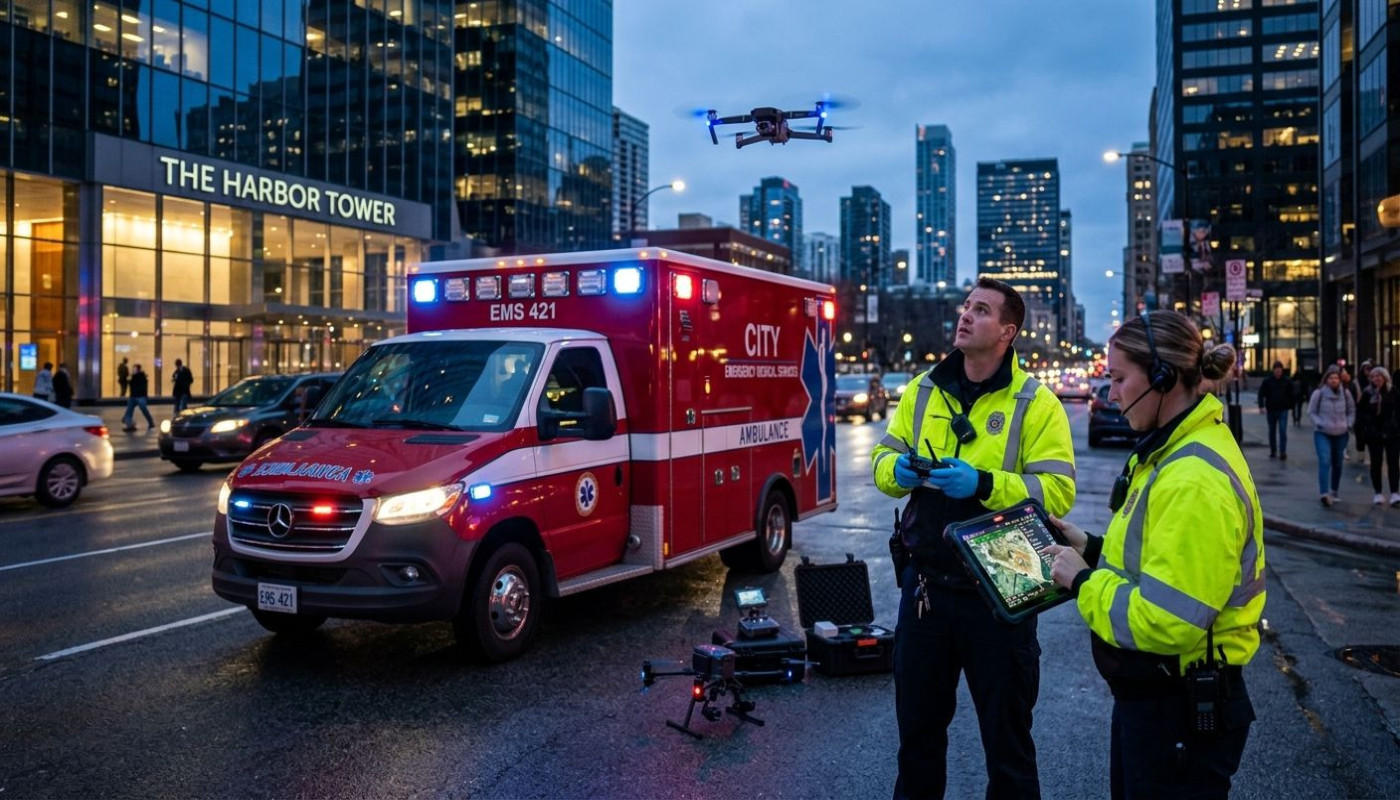
Drones in emergencies and robotics technology have significantly transformed the landscape of search and rescue operations, disaster assessment, and surveillance. The deployment of unmanned vehicles equipped with advanced remote sensing tools enables responders to gather precise data from hazardous or inaccessible zones, quickly generating real-time situational updates that were previously unattainable. These unmanned aerial vehicles can fly over disaster-stricken areas, map terrain, and transmit high-resolution images and thermal data, streamlining the process of locating victims and assessing structural integrity.
Robotics technology further supports human teams in high-risk scenarios, such as collapsed buildings or chemical spills, by performing tasks that would place responders in danger. Ground-based robots, for example, can navigate narrow or unstable spaces, deliver supplies, or even conduct preliminary medical assessments before human intervention. This integration not only reduces risk to personnel but also enhances the speed and efficiency of emergency operations, allowing for more lives to be saved and resources to be allocated more effectively.
As the lead innovation officer of an emergency response organization, it is vital to consider how these advancements could shape future strategies. The synergy between search and rescue teams and unmanned vehicles holds promise for predictive disaster assessment, real-time resource deployment, and continuous situational awareness. Leveraging the full capabilities of remote sensing and robotics technology will enable more adaptive, data-driven responses, ultimately improving outcomes during emergencies and setting new standards for operational resilience and safety.
Similar articles

Which Casino Games See The Most Bonus Hunters?

Stress Relief And Profit: A New Trend In Online Gaming?

Maximizing Minimal Bets In Online Crash Games

Exploring The Rise Of Food-Themed Casino Games: A New Trend?

Future Trends In Regional Networking: What To Expect

Your Guide To Navigating Promotions In Online Casinos

Can Gamified Promotions Revolutionize Traditional Service Industries?

Decoding Bonus Terms: What Players Should Know Before Playing

Exploring The Impact Of Welcome Bonuses On Player Retention?